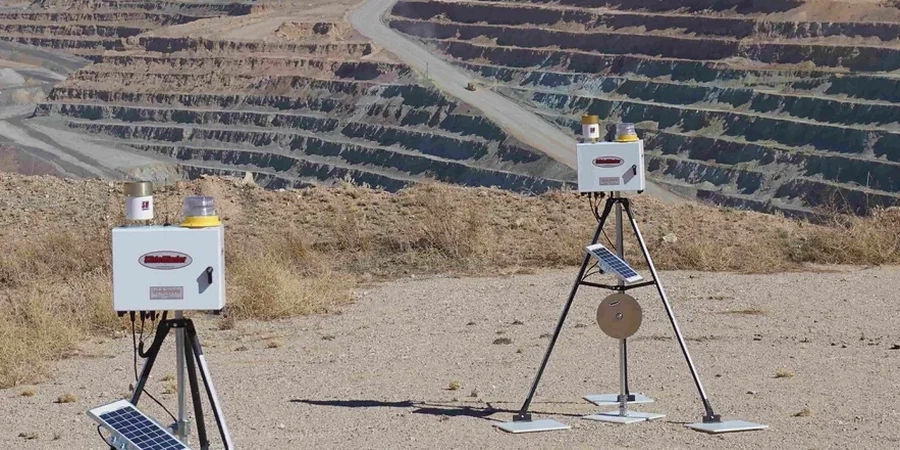
The geology beneath Reading is a story of ancient rivers and shallow seas, and it rarely reads like a textbook. Contractors breaking ground near the Kennet floodplain or along the A329 corridor quickly encounter the unpredictable interface between River Terrace Gravels and the underlying London Clay Formation. Saturated granular lenses within the gravels can destabilise an open cut in minutes, while the stiff clay — deceptively competent when dry — relaxes and loads retaining structures over weeks. At a depth of just four metres near the Oracle district, pore-water pressure in the gravels routinely complicates dewatering plans. Deep excavation design demands a monitoring strategy that captures both rapid drawdown responses and the slower, creep-driven deformation of the clay, because what you cannot measure will eventually govern the programme. Our instrumentation campaigns in central Reading integrate inclinometers, piezometers, and automated total stations to build a continuous picture of ground behaviour, giving site managers the early warning they need before a deflection becomes a delay.
Reading’s River Terrace Gravels can lose effective stress within hours of cutting — real-time pore-pressure monitoring is not optional, it is the only way to keep a deep dig on programme.
Local geotechnical context
Reading sits at just 61 metres above Ordnance Datum, but the real risk to excavations here is not elevation — it is the 10,000-year legacy of the River Thames reworking its own floodplain. Buried channels filled with soft organic silts and peat lenses hide beneath the gravels, invisible to trial pits but capable of producing asymmetric wall loading and sudden base heave. The winter of 2013-14, when groundwater levels across the Reading catchment rose to their highest in a decade, demonstrated how quickly a well-drained site can become unworkable when regional recharge outpaces local dewatering. Without continuous monitoring, a contractor can lose the formation level overnight and face weeks of re-sequencing. Our trigger-based alert system, calibrated to the deformation limits in the temporary works design, ensures that no exceedance goes unnoticed, protecting both the workforce and the adjacent infrastructure that makes Reading’s tight urban sites so unforgiving.
Common questions
How much does excavation monitoring cost for a typical Reading basement project?
Instrumentation and monitoring for a single-level basement excavation in Reading generally falls between £590 and £1,850 per week of active monitoring, depending on the number of inclinometers, piezometers, and survey prisms required. A fixed-price proposal is always provided after reviewing the temporary works drawings and the ground investigation report.
What monitoring method works best in water-bearing gravels over London Clay?
We pair standpipe or vibrating-wire piezometers in the gravel layer with in-place inclinometers through the clay. The piezometers capture rapid pore-pressure changes as dewatering begins, while the inclinometers record the delayed lateral displacement of the clay face, giving a complete picture of the soil-structure interaction.
How quickly can monitoring data alert the site team to a problem?
Automated total stations and logger-connected piezometers push readings to a web dashboard every hour during active excavation. If any instrument exceeds its predefined trigger value, SMS and email alerts are sent within minutes, allowing the site team to pause work and inspect the excavation before the condition worsens.
Is monitoring still needed if the excavation is only open for a few days?
Yes. Even short-duration excavations in Reading’s urban environment can cause damage to adjacent infrastructure. A rapid-response monitoring setup with a robotic total station and a few settlement pins provides the evidence that movements remained within acceptable limits, which is invaluable for resolving any later claims.